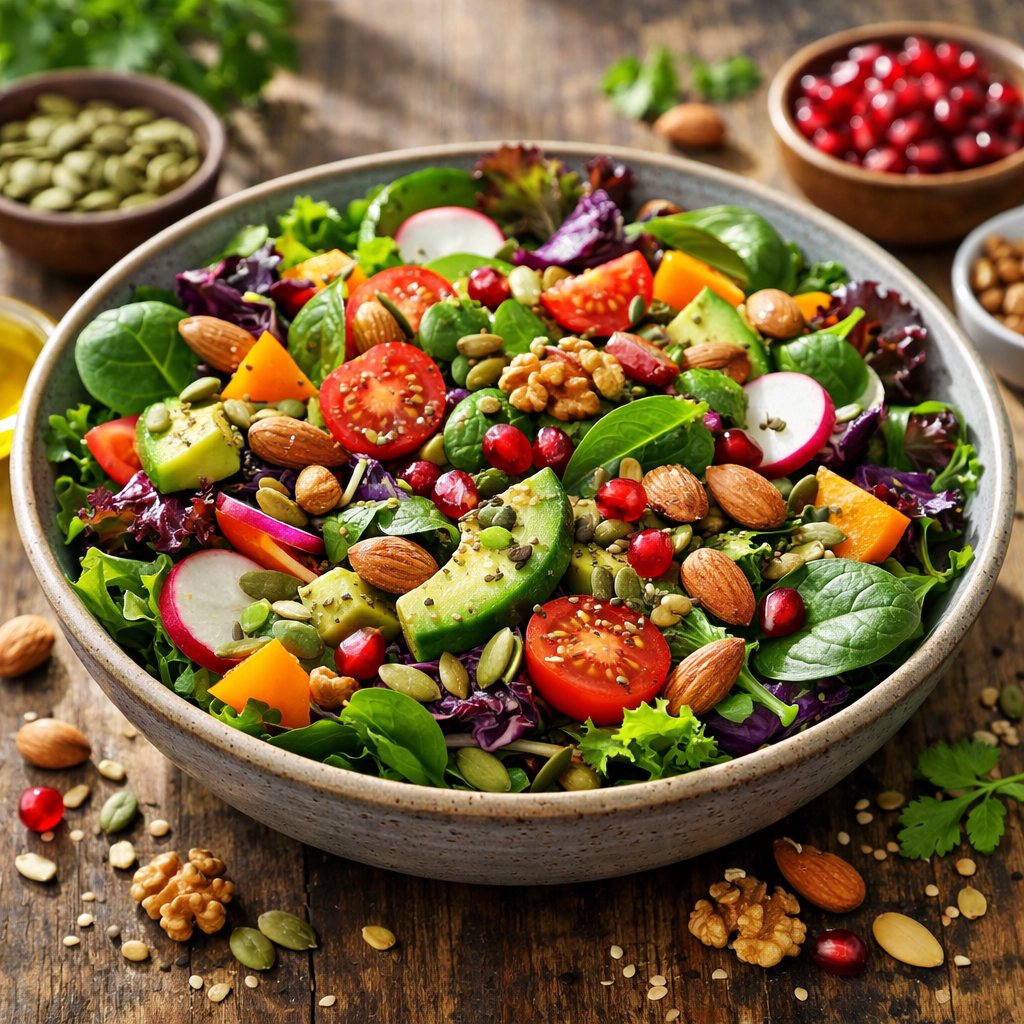
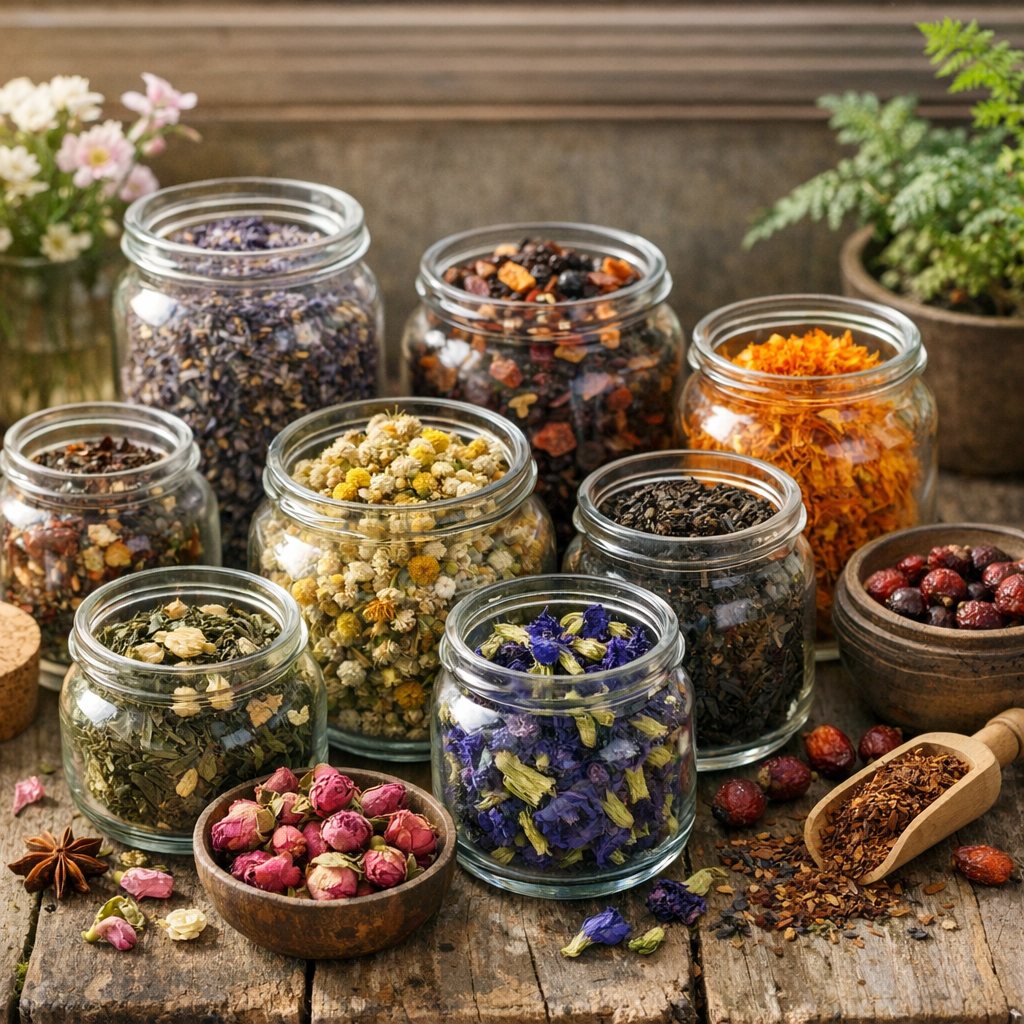
Natural Ingredients and Men's Wellness
Understanding Nutrition and Natural Care
This site offers general information about natural ingredients, nutrition science, and plant-based care options in an educational context. The focus is on explaining concepts and describing how certain nutrients and botanicals are discussed in everyday wellness topics, without advising or recommending any particular course of action.
What Are Natural Components?
Natural components in wellness contexts often refer to substances derived from plants, minerals, or food sources. They may appear in dietary habits, traditional uses, or in products that emphasise ingredient transparency. This section explains how such terms are used in general discourse.
Why Nutrition Matters in Midlife
Diet and lifestyle are widely discussed in relation to general wellbeing as people age. Nutrition science describes how various vitamins, minerals, and other nutrients support normal bodily functions. This is informational context only; individual needs vary.
Common Natural Ingredients: An Overview
Many articles and resources mention ingredients such as vitamins from food, minerals, and botanical extracts. These are often described in terms of their presence in the diet or in products. Here we outline how such ingredients are typically categorised and discussed.
Vitamins and Minerals in the Diet
Vitamins and minerals are essential nutrients that the body obtains from food. Information about their roles is widely available from public health and nutrition sources. This section summarises how they are generally presented in educational material, without making claims about outcomes.
Herbs and Botanicals in Everyday Use
Herbs and botanicals have a long history in culinary and traditional use. Today they are often mentioned in the context of natural care and dietary diversity. This is descriptive information; choices about use depend on the individual and their circumstances.
Lifestyle and Daily Habits
Wellbeing is often discussed in connection with sleep, activity, and stress. These factors can influence how people feel in daily life. We present this as general context; everyone's situation is different.
Reading Labels and Understanding Sources
Product labels and ingredient lists can help consumers understand what is in a product. Learning to read labels is a useful skill for anyone interested in the composition of foods or care products. This is explanatory content only.
Diversity of Approaches
Approaches to nutrition and natural care vary by culture, preference, and need. No single approach fits everyone. This site does not favour or recommend any particular method; it aims to explain concepts so readers can form their own understanding.
Limitations and Context
This site provides general information only. It does not offer individual advice, replace professional guidance, or promise any outcomes. Materials are for educational purposes. Approaches to wellness differ; personal decisions should be made in light of one's own situation and, where appropriate, qualified advice.
Explore Further
If you wish to learn more about natural ingredients and men's wellness in an informational context, you can read the dedicated page on topics for men or the FAQ section.
Read more about topics for men · FAQ
Learn More
For more information on our approach and content, visit the About page or read our health disclaimer. Educational content only. No promises of outcomes.
About Fenrick · Health disclaimer
We use essential cookies to operate this site. By continuing, you accept our use of cookies. Learn more